To help you to remain vibrant, independent and healthy – manage osteoporosis and reduce fracture risk!
Exercise – for building strength
Lunges with weights for leg and hip strength
My field of expertise is in teaching exercise for people with osteoporosis, but I also firmly believe that eating a nutritious diet, having sufficient quality sleep, managing stress and maintaining happy social connections are equally important goals in the formation of a holistic bone health programme.
Regular exercise to maintain stability, balance and strength to reduce the risk of falling and therefore reduce fracture risk is so important. If we have a strong core and strong legs, we are more stable and less likely to fall. We will also be able to support our spine and remain upright in good posture. There are many exercises we can do to strengthen our core without having to bring our head and shoulders into forward flexion (sit ups). The latter is not advised for people with bone density issues. There are however many people with osteoporosis who are and remain fit and active. I enjoy finding and teaching challenging exercises we can do safely like planks and side bridges with modifications and progressions if required.
The type of exercise we should be doing to maintain strong muscles and bones is strength and resistance. Muscles ‘pull’ on bone and encourage bone formation. We need to stimulate and stress the bone to promote bone renewal and remodelling which we can do using weights (dumbbells or kettlebells), resistance bands, toning rings and of course weight bearing exercises like supported side plank, knee hovers and bridge variations. Impact exercise (appropriate to the individual) like heel drops, jumps, hops and dancing, racquet sports all play a vital part as ground force reaction. Our feet striking the ground helps to stimulate bone cells and the process of bone cell renewal.
Building awareness in how we use our bodies in everyday life is key. For example, everyday tasks that are part of daily life activities like putting on our trousers, shoes and socks, personal care tasks and carrying out household chores like loading the washing machine, are movements which involve bringing our spine forwards but we can learn how to do these functional activities safely and with ease.
Moving forward into spring, summer and autumn, activities like gardening which give people joy require lifting, carrying and bending, pushing and pulling movements. If this is not done correctly it can put additional stress on our spines because of top heavy posture so it’s important to learn how to move in a way that supports the ‘spine in line’ like a hinge movement, to distribute weight more smoothly and minimise risk.
Balance is an integral part of the Pilates programme. Everyday activities like walking up and downstairs, walking on uneven surfaces like pavements, getting on and off buses, require balance. We can practice a) standing on one leg with eyes open or closed b) reverse and forward lunges or split squats c) heel – toe walking and d) moving in different directions as part of functional exercise.
Nutrition – for Bone Health
a healthy variety of protein and calcium sources
Good nutrition is essential for maintaining strong, healthy bones throughout life. Calcium-rich foods, such as milk, yoghurt, cheese, fortified plant milks, leafy green vegetables, and canned fish with edible bones, provide the minerals needed for bone strength. Protein is also important because it supports the structure and maintenance of bones and muscles; good sources include eggs, chicken, fish, beans, lentils, tofu, nuts, and seeds. Vitamin D helps the body absorb calcium and can be obtained from oily fish such as salmon and sardines, fortified foods, and sunlight. Eating a varied, balanced diet containing these foods, along with plenty of fruit and vegetables, can help support bone growth, repair, and long-term bone health.
I try to source and eat a small amount of protein with each meal as its vital for growth and repair and makes up about 50% of bone volume. Recommended amounts seems to suggest we should consume 0.8 -1.1 g per kg of our body weight. The recommended amount of calcium in the UK is 1,200 mg of calcium for those with osteoporosis. However, our body can only absorb 500mg calcium at any one meal. Ideally, we should obtain most of the calcium from our food. If that is not possible then a good calcium supplement containing vitamin D3, K2, magnesium, and other trace minerals such as boron is a good idea.
Bones require minerals and protein to remain healthy and strong. Muscle is built when we combine adequate protein with strength training. Protein provides the building blocks. Exercise provides the signal to the body to use the protein blocks. Therefore, protein and strength training work best as partners. Strong muscles support strong bones!
Stress – Cortisol the Stress Hormone
Mindfulness to focus, breathe and control stress stress responses
A little bit of stress is perhaps good for us, it gets us up and going, but chronic stress is not good for our bones in the long run as it elevates cortisol, our main stress hormone. This is because high cortisol levels circulating in our bodies creates inflammation and we may get faster bone loss as inflammatory cytokines stimulate bone breakdown known as ‘resorption’. Cortisol inhibits osteoblast activity, the cells responsible for bone formation. Chronic stress causes bone deterioration.
Stress also inhibits calcium absorption in the intestines and excretes more calcium through the kidneys. Our adrenal glands which produce cortisol are situated above our kidneys and work overtime when we are anxious and stressed, stimulating our need to go to the toilet. We can lose and excrete calcium in our urine.
Incorporating stress reduction practices can help to mitigate the negative effects of stress. Breathing techniques, mindfulness practice, relaxation therapy , walking in nature and doing what brings you joy can be helpful and supportive to your body, mind and soul. Boundary setting and learning to say ‘No’ on occasions is something you might find helpful. Or can you learn to manage stress by letting go of things that no longer serve you? One of the best things we can do is to take TIME TO BREATHE, to think clearly and take a step back. Find your favourite restorative modalities to support your bone health!
At the end of my classes, I have on occasion included a guided visualisation or a muscle relaxation technique, but I have found that sound baths have recently become popular.
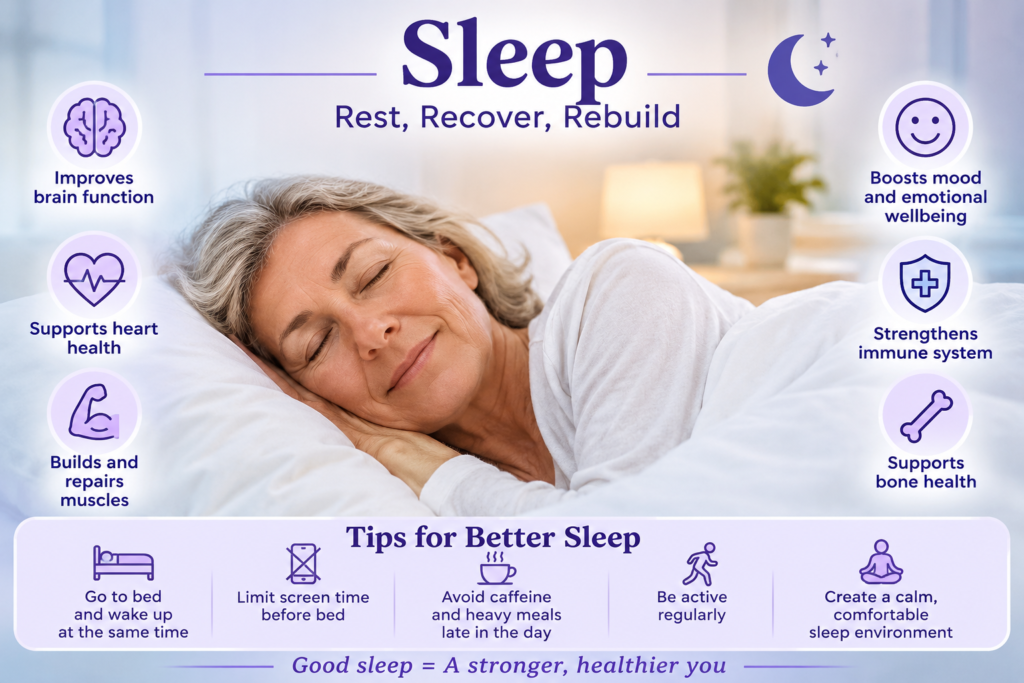
Sleep Health – Restorative Sleep
Bone regenerates with rest and sleep
There are many reasons that so many of us do face sleep issues like disruptive sleep patterns, insomnia in our lives and struggle to get enough sleep. Like so many other people, hormonal changes and transitioning through menopause can affect us too. Stressful episodes at work, within the family, relationships, worry and hardship, physical pain and an inability to control our stress responses all impact our sleep too.
Social media, podcasts, books with hints and tips, TV programmes and Apps on how to get and advise on achieving restful sleep are readily available.
We understand why sleep should be prioritised particularly for bone health as its during sleep that our bones renew and repair. If we don’t get enough sleep according to one clinical trial done in the UK, we lose bone faster. This same trial concluded that sleep problems account for 17% of fractures. Insufficient sleep affects our coordination, our ability to focus and think quickly and therefore our risk of falling or stumbling is increased. There are many remedies we can try to support our sleep at night. Herbal teas containing herbs such as valerian, lavender, chamomile and hops may work for some. Many sources I have come across reference a supplement called magnesium glycinate half an hour prior to going to bed as this form of magnesium is proven to have a calming effect, conducive to relaxation. Nonprescriptive over the counter herbal supplements are also available.
Other recommendations to ensure a good night’s sleep advise ‘electronic and device screen free areas’ in the bedroom, absence of harsh lights etc, maintaining a cool, dimly lit bedroom at night. Some people may find muscle relaxation techniques or gentle stretches prior to bedtime helpful.
One recommended piece of advice I like is to walk outdoors in the early morning sunlight to build up healthy serotonin levels which help to create melatonin the sleep hormone at night. It is a good idea to boost our circadian rhythm when outdoors in the early morning light as this helps to manage and regulate our sleep pattern. Aiming for around 7-8 hours of sleep time is optimum but perhaps not less than 6 hours a night on a regular basis. Establishing a regular sleep pattern of going to bed and getting up at the same time every day is recommended.
Social Connections – for Bone Health
Supportive to eating , exercising and being happy
Social connection is an important, yet sometimes overlooked, part of a holistic approach to bone health. Maintaining regular contact with others can support emotional wellbeing, motivation and healthy lifestyle habits, while reducing the loneliness and isolation that can sometimes accompany ageing. Being active and socially engaged may also encourage us to keep moving, whether through walking, exercise classes, hobbies or simply meeting friends for a coffee.
Meetup groups, available in many cities and towns across the UK, provide a great way to discover local activities and meet people with similar interests—from walking and fitness groups to book clubs, dancing, crafts and social gatherings. Building and maintaining meaningful connections can therefore complement good nutrition, weight-bearing exercise, strength training and other aspects of bone health, helping us to stay active, confident and connected throughout life.
In Summary
In summary, a comprehensive bone health programme integrates targeted exercise, good nutrition, stress management, restorative sleep, and safe functional movement. This holistic framework helps you to remain active, independent, and healthier over the long term.
References:
Fracture Proof your Bones by Dr John Neustadt
Practical Regeneration – Paul Lee
Strength training is one of the most effective ways to
Preserve and improve muscle mass
Improve bone density
Boost Metabolism
Protect and support joints
Enhance mental health
Improve posture, balance and mobility
The LIFTMOR study short for Lifting, Intervention for Training Muscle and Osteoporosis Rehabilitation is one of the most influential pieces of research carried out in the world of bone health. This randomised control trial in 2018, investigated the safety and efficacy of high intensity resistance and impact training in post menopausal women aged between 60-70 with low bone density. The study aimed to determine if high intensity resistance training could improve bone density and reduce fracture risk in this population.
The women were assigned to two groups – either the high intensity intervention group or the alternative group who were asked to perform home based exercises with emphasis on stretching and mobility. Both groups were subject to pre and post intervention BMD (bone mineral density) testing.
The Liftmor study group was carefully supervised by skilled exercise instructors and health professionals (physiotherapists) due to the intensity and potential risks involved, with emphasis on proper form and technique, prior to gradual weight progression.
Participants performed 5 key exercises lifting weights at a high intensity, typically 80-85% of 1 repetition max (1RM). 1RM is the maximum amount of weight you can lift at any 1 time.
The 4 Key Exercises using barbel weights
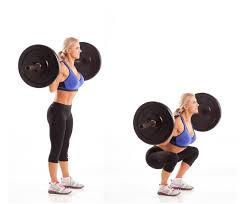
Back squats
dead lifts
shoulder presses
Lunges
jumping pull ups – using a pull up bar (involved impact to stimulate bone growth)
Participants were asked to to 5 sets of 5 repetitions for each exercise. They attended 2 x 30 minute sessions per week over a period of 8 months.
Key Findings
At the end of the trial the intervention group showed an overall significant increase in their BMD. Participants showed 3.2% increase in spinal bone density and a 2.2% increase in hip bone density which is comparable to effects from taking bone medications. The study therefore demonstrated improvements in lumbar spine and femoral neck BMD compared to the low intensity exercise programme in the second group.
Focus on Bone health
The Liftmor programme targets key areas like the femoral neck (connects the thighbone to the hip) and lumbar spine. However the Liftmor Programme is not suitable nor recommended for everyone due to risk of injury from using high intensity barbells (weights). Individuals with recent fractures, joint issues, or cardio vasular conditions would be excluded. The Onero Programme developed in Australia has evolved from the Liftmor study and is run strictly under professional guidance to ensure a safe and effective approach to maintaining bone health.
Implications
Although the Liftmor Study suggests that high intensity training can be a safe and effective strategy for improving bone health when carefully supervised and monitored by health professionals, the question remains : Do we need to lift heavy to strengthen and increase our bone density? Could lifting lighter weights working at 50 – 70% of our 1 rep max be beneficial and effective?
Modifications
As an experienced Pilates teacher running bone safe classes I modify the 5 key exercises as listed in the Liftmor programme to ensure safe and beneficial practice for my class members, making further adaptations if required.
Strength training Overall
Current research widely available in the media and literature suggests that strength training can help slow down muscle and bone loss and help build stronger bones. Regular exercise particularly weight bearing and resistance training is crucial for stimulating bone growth and slowing bone loss.
1.Squats(in the study you place the barbell across your back on to your shoulders, and squat as you bend your knees and drive your hips back) its like a ‘sit to stand’ move. Your feet are slightly wider than your hips.
Think of the following as a sit to stand keeping a straight angled back. You can load up in a number of ways :
a) Two dumbells down by your side
b) Hold a kettlebell on your chest , chest up!
c) Position the weights on your shoulders
2. The Dead Lift (in the study the barbel was picked up from the floor, hips go back (hinge), you broaden the chest then push the hips forward to stand tall)
Start with practising the hinge. Place the kettlebell or dumbbells on 2 blocks in front of your feet. Keep the knees above your ankles and keep the vertical shin ankle. Keep your chest broad and push the floor away through your feet as you straighten up to stand tall or alternatively stand with dumbbells in both hands by your sides and repeat the hinge movement. Alternatively you can stand on a flexi band holding both ends taut for resistance as you hinge sending your bottom up then push up through your heels to straighten.
3. The Shoulder Press(in the study you bring the barbell (bar) to your collar bones and keeping a tall posture, press the weight to avove the head and straight down to your chest.
Modify this by holding 2 weighted balls or dumbbells with arms in goal post (as in the photo) and press the weights to above your head and down to your starting position.
4.Lunges or split squats holding weights down by your side for example. https://www.youtube.com/shorts/7w6T1niQY8M?feature=share
5.The Jump Pull Up (This is an explosive move involving speed, power and impact. You ‘pull yourself up’ on to a raised and fixed higher pole and jump, landing on flat feet for ground force reaction (impact).
Modify this by placing a short flexi band around a hook higher up on a wall. Pull down on the band bending your knees and jump. Allow soft knees to begin with as it can be hard on your knees.
Or you can place your hands and push off from the back of a chair.
My preferred option however is to grip the pull up bar fixed to the top of my doorway, bend my knees up and jump down.
Hanging from the Pull Up Bar strengthens grip
Remember to gradually increase the intensity of the weights you are using as in Wolffs law, the body adapts to the amount of load placed on it.
In my classes I have specially adapted my strength programme for building bone by initially doing 5 sets of the 5 exercises with 5 reps of each exercise.
The ONERO program pioneered in Brisbane, Australia was developed a few years following the successful outcome of the LIFTMOR Study and is now implemented in various clinics to provide targeted exercise for individuals with osteopenia and osteoporosis. The data indicates that ONERO increases bone mass , improves posture and reduces falls in patients. There is optimism and hope that many people will benefit from this latest intervention in boosting bone health.
My purpose in writing this blog is purely to clarify the various medications on offer based on the information published in the journals ‘Osteoporosis news’ by The Royal Osteoporosis Society.
Please note I do not offer any personal opinion with regards to endorsing nor refraining from taking any medication presented here.
Osteoporosis medications are recommended by the medical profession if you are identified as being at risk of breaking a bone. These drugs are prescribed to strengthen your bones making them less likely to fracture.
Our bone cells are of 2 types. We know that osteoblasts build new bone and osteoclasts break down old bone. This forms part of the bone renewal (re modelling) process known as bone metabolism.
Bones can be categorised in the following ways :
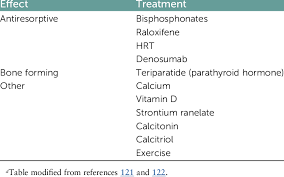
The anabolic drugs – these are bone builders
The anti-resorptive drugs – slow down bone loss.
Ideally both types are best paired with the recommended approach to exercise and nutrition.
The first line treatment is usually bisphosphonates. Bisphosphonates are used to treat and prevent bone loss and break down. They work by inhibiting the osteoclasts from breaking down bone tissue and slow down the rate at which bone is broken down. The are anti resorptive.
One of the most commonly prescribed is Alendronate (brand name Fosamax)
bisphosphonate
Alendronate is an oral bisphosphonate taken once a week with a full glass of water. You are advised to take this medication first thing in the morning on an empty stomach either standing or sitting tall for the first 1/2 hour prior to eating. It is usually prescribed for 5 years. As with all medications there are some common and rare side effects. Not everyone can tolerate Alendronate so there are options.
Risedronate (brand name Actonel)is taken in tablet form once a day (5mg) or once a week (3.5mg). It also works by slowing down the rate at which old bone is broken down allowing the body to increase bone density and reduce the risk of fracture. You may be offered this instead of alendronate as it is gentler on the stomach if you cannot tolerate the latter.
Ibandronate (brand name Bonviva ) This is a bisphosphonate available as an injection once every 3 months or in tablet form once a month. Intravenous bisphosphonates are administered through an IV infusion for those who cannot tolerate oral bisphosphonates or for those who require rapid treatment.
Zolendronate (brand name Reclast) is a bisphosphonate which is give intravenously once a year usually for 3 years. It is precribed by a specialist. This medication may be offered as a first line treatment after a hip fracture.
One advantage of bisphosphonates is that they keep working for a while after you stop taking them. So, if you have been taking them for 5 years and if your fracture risk is not high, you may be offered a 2-3 year pause (drug holiday) which may help to negate the risk of rare side effects.
Densosumab (brand name Prolia ) This is an injectable medication administered every 6 months by a health professional. This drug is likely to be prescribed if you are older and if you are likely to keep needing bone strengthening treatment. It is not considered the first treatment option for osteoporosis. It is indicated for those who have a high risk of fracture. If you come off this treatment it is vital you continue with a bisphosphonate as there is rapid bone loss and higher risk of fracture if you stop without a follow on bone medication.
Raloxifene (brand name Evista). This is a ‘selective oestrogen receptor modulator ‘ (SERM). It increases bone mineral density by decreasing bone resorption. It is usually given to younger post menopausal women as it slightly increases the risk of blood clots or strokes. Research done shows that it only reduces spinal fracture risks rather than hip fractures. Raloxifene may be associated with some protection against endometriosis and certain cancers eg breast cancer. It is known to be a non necrosis of the jaw medication (ONJ) which is a positive advantage. As with all medications you are advised to discuss potential side effects with your GP or health professional.
Teraparatide (brand name Forsteo) This is a synthetic form of the parathyroid hormone. It is not a bisphosphonate. Teraparatide is one of two treatments that stimulate the cells that build new bone. It is anabolic. You may be offered this if you have had several spinal fractures and are at high risk of breaking another bone. Teraparatide is a daily injection. The recommendation is that it is used as an offset treatment over 2 years. Patients who start on this will need to contine with further treatments like a bisphosphonate after the initial 2 years to off set loss of gains. This medication is unlikely to be prescribed if you have had bone cancer or radiotherapy for your bones.
Romosozumab (brand name Evenity) This is the newest drug treatment available in the UK. It is considered if the patient has had a fracture in the last couple of years and is at risk of having more. It’s given over the course of a year. Thereafter, it is likely the patient will be moved on to another type of osteoporosis treatment. It is an anabolic osteo medication and it is the only one of two treatments that helps to both promote bone formation and reduce bone loss. It works by blocking the action of a protein called sclerostin. It helps the osteoblasts to build bone and slows down the cells that break down bone. It involves having two injections once a month for 12 months. It comes in pre filled ready to use injection pens. After the course of treatment is completed it is important to start follow- on treatment straight away. Less is known about the benefits of Romosozumab for people with a lower risk of fracture. It is a very expensive drug.
Finally , as with all medications there are potential side effects which you are advised to discuss with your health professional /GP/dentist including rare cases of osteo necrosis of the jaw. This is a condition where the jaw does not heal properly particularly after an extraction.
It is therefore very important to maintain good oral hygiene and have regular check ups with your dentist.
There should be regular monitoring of your bone density and arranged medication reviews with discussion to ensure effectiveness and safety of treatment.
I have attempted to cover the majority of treatments prescribed today. Strontium ranelate is rarely prescribed now if at all and HRT is a topic for a dfferent discussion.