Guide to Bone medications
My purpose in writing this blog is purely to clarify the various medications on offer based on the information published in the journals ‘Osteoporosis news’ by The Royal Osteoporosis Society.
Please note I do not offer any personal opinion with regards to endorsing nor refraining from taking any medication presented here.
Osteoporosis medications are recommended by the medical profession if you are identified as being at risk of breaking a bone. These drugs are prescribed to strengthen your bones making them less likely to fracture.
Our bone cells are of 2 types. We know that osteoblasts build new bone and osteoclasts break down old bone. This forms part of the bone renewal (re modelling) process known as bone metabolism.
Bones can be categorised in the following ways :
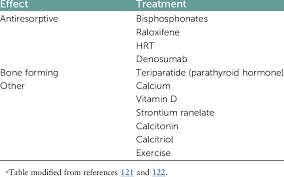
The anabolic drugs – these are bone builders
The anti-resorptive drugs – slow down bone loss.
Ideally both types are best paired with the recommended approach to exercise and nutrition.
The first line treatment is usually bisphosphonates. Bisphosphonates are used to treat and prevent bone loss and break down. They work by inhibiting the osteoclasts from breaking down bone tissue and slow down the rate at which bone is broken down. The are anti resorptive.
One of the most commonly prescribed is Alendronate (brand name Fosamax)

Alendronate is an oral bisphosphonate taken once a week with a full glass of water. You are advised to take this medication first thing in the morning on an empty stomach either standing or sitting tall for the first 1/2 hour prior to eating. It is usually prescribed for 5 years. As with all medications there are some common and rare side effects. Not everyone can tolerate Alendronate so there are options.
Risedronate (brand name Actonel)is taken in tablet form once a day (5mg) or once a week (3.5mg). It also works by slowing down the rate at which old bone is broken down allowing the body to increase bone density and reduce the risk of fracture. You may be offered this instead of alendronate as it is gentler on the stomach if you cannot tolerate the latter.
Ibandronate (brand name Bonviva ) This is a bisphosphonate available as an injection once every 3 months or in tablet form once a month. Intravenous bisphosphonates are administered through an IV infusion for those who cannot tolerate oral bisphosphonates or for those who require rapid treatment.
Zolendronate (brand name Reclast) is a bisphosphonate which is give intravenously once a year usually for 3 years. It is precribed by a specialist. This medication may be offered as a first line treatment after a hip fracture.
One advantage of bisphosphonates is that they keep working for a while after you stop taking them. So, if you have been taking them for 5 years and if your fracture risk is not high, you may be offered a 2-3 year pause (drug holiday) which may help to negate the risk of rare side effects.
Densosumab (brand name Prolia ) This is an injectable medication administered every 6 months by a health professional. This drug is likely to be prescribed if you are older and if you are likely to keep needing bone strengthening treatment. It is not considered the first treatment option for osteoporosis. It is indicated for those who have a high risk of fracture. If you come off this treatment it is vital you continue with a bisphosphonate as there is rapid bone loss and higher risk of fracture if you stop without a follow on bone medication.
Raloxifene (brand name Evista). This is a ‘selective oestrogen receptor modulator ‘ (SERM). It increases bone mineral density by decreasing bone resorption. It is usually given to younger post menopausal women as it slightly increases the risk of blood clots or strokes. Research done shows that it only reduces spinal fracture risks rather than hip fractures. Raloxifene may be associated with some protection against endometriosis and certain cancers eg breast cancer. It is known to be a non necrosis of the jaw medication (ONJ) which is a positive advantage. As with all medications you are advised to discuss potential side effects with your GP or health professional.
Teraparatide (brand name Forsteo) This is a synthetic form of the parathyroid hormone. It is not a bisphosphonate. Teraparatide is one of two treatments that stimulate the cells that build new bone. It is anabolic. You may be offered this if you have had several spinal fractures and are at high risk of breaking another bone. Teraparatide is a daily injection. The recommendation is that it is used as an offset treatment over 2 years. Patients who start on this will need to contine with further treatments like a bisphosphonate after the initial 2 years to off set loss of gains. This medication is unlikely to be prescribed if you have had bone cancer or radiotherapy for your bones.
Romosozumab (brand name Evenity) This is the newest drug treatment available in the UK. It is considered if the patient has had a fracture in the last couple of years and is at risk of having more. It’s given over the course of a year. Thereafter, it is likely the patient will be moved on to another type of osteoporosis treatment. It is an anabolic osteo medication and it is the only one of two treatments that helps to both promote bone formation and reduce bone loss. It works by blocking the action of a protein called sclerostin. It helps the osteoblasts to build bone and slows down the cells that break down bone. It involves having two injections once a month for 12 months. It comes in pre filled ready to use injection pens. After the course of treatment is completed it is important to start follow- on treatment straight away. Less is known about the benefits of Romosozumab for people with a lower risk of fracture. It is a very expensive drug.
Finally , as with all medications there are potential side effects which you are advised to discuss with your health professional /GP/dentist including rare cases of osteo necrosis of the jaw. This is a condition where the jaw does not heal properly particularly after an extraction.
It is therefore very important to maintain good oral hygiene and have regular check ups with your dentist.
There should be regular monitoring of your bone density and arranged medication reviews with discussion to ensure effectiveness and safety of treatment.
I have attempted to cover the majority of treatments prescribed today. Strontium ranelate is rarely prescribed now if at all and HRT is a topic for a dfferent discussion.