Is ‘Grip Strength’ an indicator of bone health and a predictor of longevity?
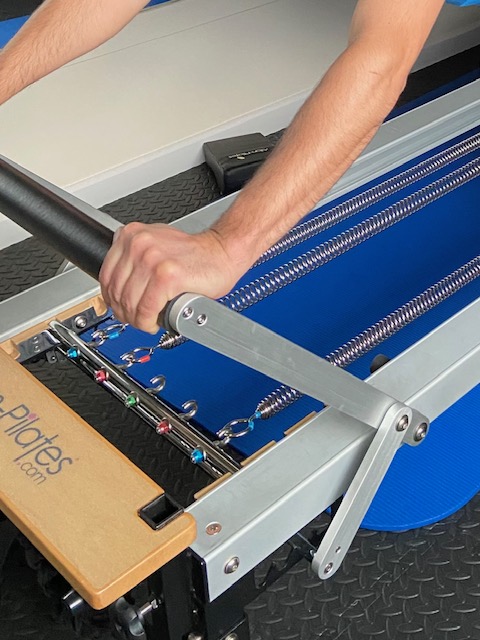

Is ‘Grip Strength’ an indicator of bone health and a predictor of longevity?
Grip strength might not be the first thing that comes to mind when thinking about overall health, but it plays a surprisingly big role. Whether you’re opening a stubborn jar, carrying groceries, or holding onto a pull-up bar at the gym, your grip strength is working behind the scenes. Beyond daily tasks, maintaining strong hands and forearms can help prevent injuries, improve overall muscle endurance, and even support better mobility as you age. Studies (referenced at the end of this article) suggest that grip strength is an essential biomarker for older adults, indicating overall muscle health and resilience.
Interestingly, research has linked grip strength to bone density and even longevity. A study found that lower grip strength was associated with increased risk of all-cause mortality, particularly cardiovascular-related deaths. Another study explored how grip strength correlates with bone mineral density, showing that weaker grip strength is often found in individuals with lower bone density. This suggests that improving grip strength might not just help with everyday tasks—it could also be a useful indicator of long-term health and ageing.
How does grip strength affect bone density?
Grip strength and bone density are closely linked, largely because both rely on muscle and skeletal health. When you engage in activities that require strong grip—like lifting weights, carrying bags of groceries, or even squeezing a stress ball—you activate muscles in your hands, wrists, and forearms. This muscle activation creates mechanical stress on the bones, which stimulates bone remodelling and helps maintain or even improve bone mineral density.
Studies have shown that lower grip strength is associated with reduced bone density, particularly in older adults. One study found a causal relationship between decreased grip strength and increased risk of osteoporosis, especially in individuals aged 45–60 years. Another study observed that women with lower grip strength had significantly lower bone mineral density at the spine and hip, as well as a higher risk of vertebral fractures. Additionally, research suggests that grip strength is positively correlated with lumbar spine bone density, indicating that stronger grip may contribute to better skeletal health.
So, if you’re looking for a simple way to support bone health, focusing on grip strength exercises might be a great strategy! Here are three exercises for you to try, to improve your grip strength :
The Rubber Band Stretch
Place a thick rubber band around your thumb and fingers near the middle of your fingers. Slowly stretch your fingers outwards and open your hand as wide as possible against the resistance of your band then release back to the starting position.
The Towel Twist
Twist a dry towel as hard and tight as you can and feel the muscles in your forearms work. It’s as if you are wringing out water. Hold for 5 seconds then reverse the direction. This helps to strengthen your hands, wrists and forearms.
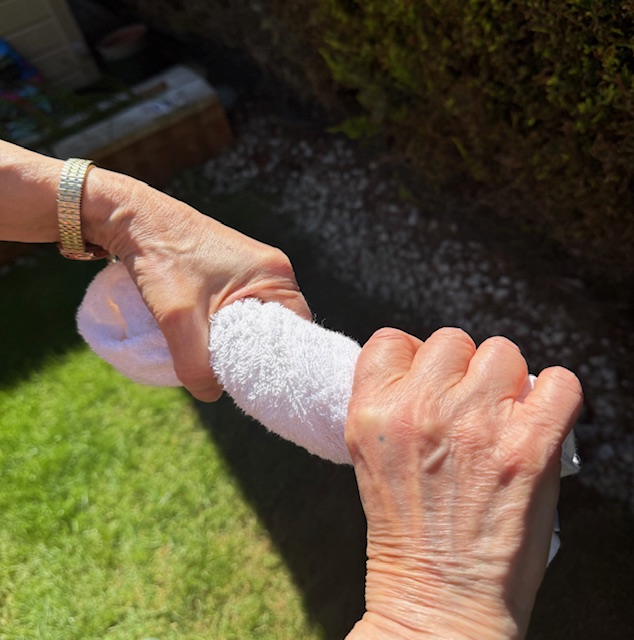
Wrist flexion and extension using a can or dumbbell
Hold a dumbbell or can of beans just over the edge of a table fist down. Keep your forearm stable and slowly lift and lower x 5-10 times. Repeat this , fist pointing up.

Test your grip strength another way through a simple squeeze test:
Squeeze a stress ball with a maximum squeeze until your grip fatigues. Being able to maintain it for between 15 -20 seconds is good. Practice this several times to gradually improve your strength.
Stronger hands and wrists will make for greater independence in the years to come !

Grip Strength, Bone Health, and Frailty
- A Study Published in The Journal of Gerontology (2020)
- Findings: This study showed that grip strength was an important predictor of physical frailty, and frailty, in turn, was linked to lower bone mineral density. The authors suggested that frailty could lead to a decrease in bone density due to physical inactivity and muscle wasting, and that interventions that improve muscle strength (like resistance training) could also help maintain bone density.
- Exercise and Bone Health
- Findings: Studies show that weight-bearing and resistance exercises can improve both grip strength and bone density. A study in Osteoporosis International (2018) found that strength training not only increased grip strength but also helped prevent bone density loss in postmenopausal women.
- Mechanism: These exercises help stimulate osteoblasts (cells responsible for bone formation) and promote bone remodeling. Stronger muscles also reduce the load on bones, enhancing their structural integrity over time.
Bone Density and Grip Strength as Health Markers in Older Adults
- A Study in Bone Journal (2019)
- Findings: This study confirmed that both grip strength and bone density are markers of aging and can predict long-term outcomes like fracture risk, quality of life, and mortality in older adults. Those with both lower grip strength and low bone density were at higher risk for poor health outcomes.
- Mechanism: The study suggested that a combination of both muscle and bone health is essential for reducing the risk of falls, fractures, and disability in elderly populations.
SUMMARY
Bone Density & Grip Strength: Grip strength and bone density are strongly linked, as both reflect a person’s overall musculoskeletal health. Strong grip strength suggests healthy muscles and bones, which in turn support better overall health and longevity.
Longevity Implications: Poor grip strength and low bone density are often markers of frailty, increased risk of falls and fractures, and ultimately, a shortened lifespan. But maintaining grip strength and bone health through exercise can help combat these declines.